How to Become a Physiotherapy Assistant
How to Become a Physiotherapy Assistant: Step-by-Step Guide
A Physiotherapy Assistant (PTA) is a healthcare worker who helps patients recover from injuries, manage chronic pain, and improve their physical mobility under the supervision of a licensed Physiotherapist. PTAs work in physical therapy clinics, hospitals, sports rehab centers, and nursing homes, directly assisting with manual therapy and therapeutic exercises.
1. Explore Physiotherapy Assistant Tasks
PTAs perform essential clinical support roles. Core responsibilities include:
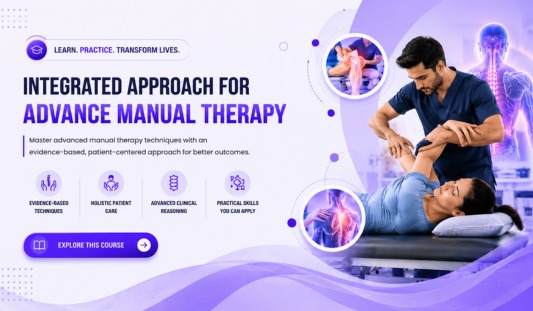
- Manual Therapy Support: Assisting with muscle manipulation, joint mobilization, and stretching exercises.
- Rehabilitation Guidance: Guiding patients through specialized exercise plans to recover from injuries or strokes.
- Equipment Setup: Preparing therapy rooms, ultrasound machines, and traction equipment.
- Patient Progress Tracking: Keeping detailed records of patients' range of motion and pain levels.
2. Study Rehab Science & Therapeutics
To work with rehabilitation patients, you must understand:
1. Kinesiology: How muscles, joints, and bones interact to create movement.
2. Neurological Rehab: How exercise and movement therapy improve brain health and recovery.
3. Chronic Pain Strategies: Practical techniques to manage conditions like chronic headaches, migraines, and joint inflammation.
3. Obtain CPD-Accredited Certifications
Most rehabilitation clinics require formal proof of training. Earning a UK CPD-Accredited Certificate in Physiotherapy & Rehabilitation or specialized courses in manual therapy demonstrates your competence to clinics and hiring managers.
4. Secure Clinical Experience
To start working:
- Apply for physical therapy aide roles: Gain experience in administrative and patient-handling duties.
- Shadow licensed therapists: Watch and learn from clinical sessions.
- Target growing sectors: Apply to sports clinics, orthopedic centers, or geriatric care facilities.